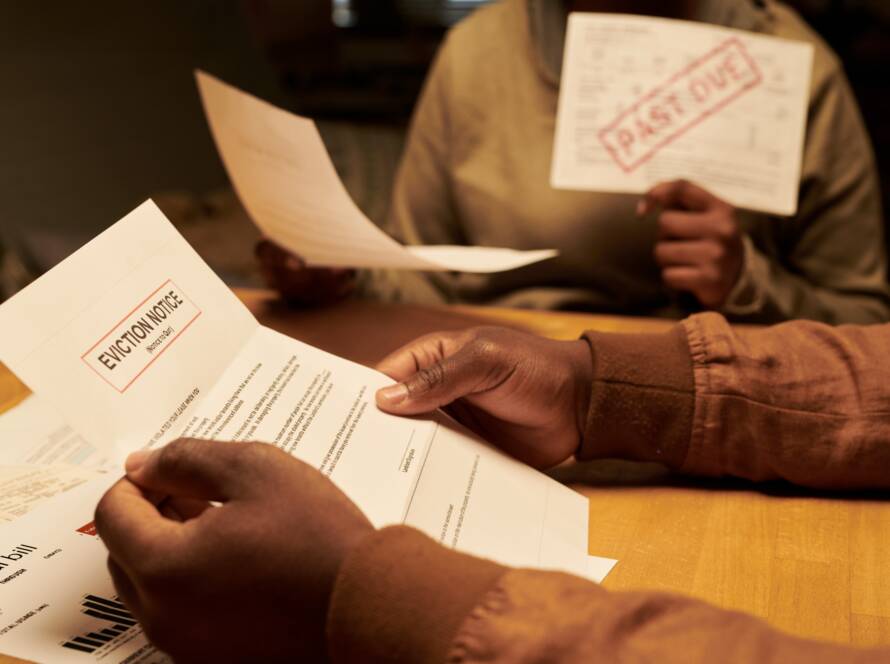
The Joint Return Trap
Signing a joint tax return creates joint and several liability.
That means the IRS may pursue either spouse for the full tax debt, interest, and penalties. This can happen even if your spouse earned the income, hid money, or created the incorrect deductions.
Divorce does not automatically erase that responsibility.
The Legal Shield
Innocent Spouse Relief may protect you from tax caused by your spouse’s errors on a joint return.
When approved, the IRS may remove your responsibility for qualifying tax, interest, and penalties. Relief is not automatic, and it generally applies only to the portion connected to your spouse’s incorrect reporting.
The 3-Part Ignorance Test
You generally need to show three important facts.
Condition 1: The Error Belonged to Your Spouse
The understated tax must come from your spouse’s income or deductions.
Examples may include:
- Hidden business income
- Unreported 1099 income
- False deductions
- Incorrect business expenses
- Undisclosed investment income
Condition 2: You Did Not Know
When you signed the return, you did not know about the error.
You must also show that you had no reasonable reason to know. The IRS may review your education, financial involvement, access to records, and whether the return contained obvious warning signs.
Condition 3: Making You Pay Would Be Unfair
The IRS considers your current circumstances.
Divorce, separation, abuse, financial hardship, and whether you benefited from the unpaid tax may all affect the decision.
The Ticking Clock
Do not delay after receiving an IRS collection notice.
Some forms of Innocent Spouse Relief generally must be requested within two years after the IRS first begins certain collection activity against you. Different time limits may apply to equitable relief, refund claims, and other cases.
Act quickly so you do not lose an available option.
Claim Your Financial Independence
You should not be forced to pay for a mistake or deception you had no part in. Let our team review your past joint returns and build a compelling case for the IRS. Contact our advisory team today or log into our Client Portal to schedule a private, confidential consultation..
📧 Email: oshamsi@oscpatax.com
📞 Phone: (214) 253-8515
General information only, not tax advice. Always consult a tax professional to evaluate your specific circumstances and state rules.