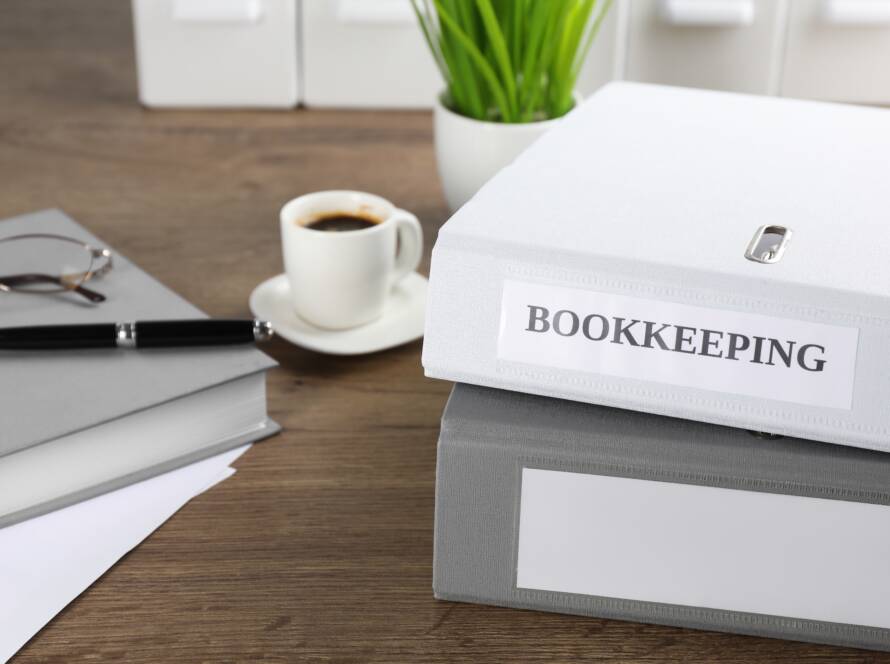
Gig work gives you freedom, flexibility, and control. It also gives you a second job you did not ask for: bookkeeping. When you are your own boss, you are also your own payroll department, expense tracker, and tax records manager, and that is exactly how people end up facing independent contractor tax penalties. Good recordkeeping is not optional. It is your first line of defense against tax trouble.
Rule #1: Build the Wall.
If you only take one thing from this guide, make it this: stop mixing your money.
The fastest way to create a tax mess is by separating business and personal expenses poorly, or not separating them at all. If your Uber income goes into the same account you use for groceries, rent, and weekend spending, your records become muddy fast.
That is also why people ask, can the IRS check my personal bank account? In serious audit situations, yes, the IRS can review personal financial activity, especially if you have commingled business and personal funds and there is no clean paper trail.
That does not mean the IRS is peeking into random accounts for fun. It means if your records are sloppy, your personal account may become part of the story.
What to do instead:
- Open a dedicated business checking account
- Use one card for business spending only
- Deposit all gig or freelance income into that account
- Pay business expenses from that account only
This creates a wall between your life and your business. And that wall protects you.
Rule #2: Capture the Evidence.
A lot of freelancers ask, do independent contractors need to keep receipts? Yes. Absolutely.
Here is the simple version:
- A bank statement proves you paid something
- A receipt proves what you paid for and why it was business-related
That difference matters.
If you paid $79.99 to a software company, your bank statement shows the amount. But only the receipt or invoice shows whether it was for design software, scheduling tools, cloud storage, or something personal.
That is why the question of what happens if you lose business receipts matters. If you lose them, you may lose the deduction, or at least make it much harder to defend if the IRS asks questions.
Best practice:
- Save receipts as you go, not months later
- Use a receipt scanner app or cloud folder
- Add a short note when the purpose is not obvious
- Keep invoices, confirmations, and subscription records too
This is especially important for:
- Meals with a business purpose
- Mileage-related travel
- Equipment purchases
- Home office items
- Software subscriptions
- Contract labor payments
If you are serious about avoiding an IRS audit gig workers problem, save the proof while it is fresh.
Rule #3: Know Your Expiration Dates.
Another question freelancers ask is how long to keep tax records 1099 forms and other tax documents.
A practical rule is this:
- Keep most tax records for at least 3 years
- In some situations, keep them for up to 7 years
Why the range? Because different issues have different lookback periods. If the IRS questions income, deductions, or major mistakes, you want records available. And if you are self-employed, you usually have more moving parts than a regular W-2 employee.
Documents to keep:
- 1099s
- Income reports from apps and platforms
- Bank statements
- Expense receipts
- Mileage logs
- Prior tax returns
- Estimated tax payment confirmations
- Bookkeeping reports
Think of record retention as cheap insurance. You may never need those files, but if you do, you will be glad they exist.
The Freelancer’s Tech Stack
Modern freelance tax record keeping 2026 is not about stuffing receipts into a shoebox and hoping your CPA can decode the mess in March.
You need a simple system that works in real time.
Here are the types of tools worth using:
- Cloud bookkeeping software
Great for tracking income, categorizing expenses, and producing profit and loss reports. - Mileage tracking apps
Essential if you drive for Uber, Doordash, Instacart, or any business purpose. Manual reconstruction later is painful and often inaccurate. - Receipt scanning tools
Useful for snapping photos of receipts and attaching them to transactions immediately. - Business banking apps
Helps you separate accounts and review transactions quickly. - Quarterly tax estimate tools
Good for projecting tax so you do not get blindsided by underpayment penalties. - Document storage systems
Cloud folders or secure portals keep 1099s, invoices, receipts, and tax returns organized and searchable.
When people search for the best tax apps for freelancers, what they really need is not one magic app. They need a system:
- track income,
- track expenses,
- save proof,
- review monthly.
That is how you stop tax season from becoming a panic attack.
Did you know you could deduct this?
Many freelancers are overpaying taxes simply because their records are too messy to support deductions. Good bookkeeping does not just keep you safe. It can save you real money.
If you are wondering what expenses can freelancers deduct, common categories may include:
- Home office expenses, if you qualify
- The business-use portion of internet and phone
- Mileage and parking for business driving
- Software subscriptions
- Website hosting and domain fees
- Advertising and marketing costs
- Office supplies and equipment
- Professional education and training
- Payment processing fees
- Accountant and bookkeeping fees
The catch is simple: if you cannot document it, you may not be able to deduct it.
That is why learning how to keep track of gig work income and expenses is not just about staying out of trouble. It is about keeping more of what you earn.
Final Thoughts
Freelancing can be profitable, but only if you treat the recordkeeping side seriously. When your numbers are organized, tax time becomes manageable. When they are not, even a good year can turn into an IRS headache.
Learning how to keep track of gig work income is the difference between running a real business and running on guesswork.
📧 Email: oshamsi@oscpatax.com
📞 Phone: (214) 253-8515
General information only, not tax advice. Always consult a tax professional to evaluate your specific circumstances and state rules.