Imagine finally settling that $10,000 credit card debt for $4,000. You breathe a sigh of relief. Then January rolls around, and a strange tax form shows up in the mail.
That is the nasty surprise known as phantom income. In many cases, when a lender cancels or forgives debt, the IRS treats that canceled amount as Cancellation of Debt Income, often called CODI. So if you are asking, do I have to pay taxes on forgiven debt, the frustrating answer is: sometimes, yes.
The good news is that a tax bill is not automatic in every case. There are legal exceptions that may reduce or even eliminate the tax, but you have to handle the form correctly and claim the right relief.
Myth vs. Reality
- Myth: The debt is gone, so my tax return will not be affected.
Reality: In many cases, the IRS treats forgiven debt like income, similar to wages or other taxable money you received. - Myth: If I settled a credit card for less than the full balance, I am done.
Reality: The forgiven amount may create tax on settled credit card debt, which can show up on your return if you do not qualify for an exclusion. - Myth: A repossession means the lender took the car, so there is no tax issue left.
Reality: A 1099-C for repossessed car can still create taxable income if part of the loan balance was canceled. - Myth: Student loan forgiveness is always tax-free.
Reality: Is forgiven student loan debt taxable? It depends on the loan type, the reason for forgiveness, and the law that applies at the time. Some student loan forgiveness may be excluded, while other situations can still create tax consequences. - Myth: If I ignore the form, maybe the IRS will not notice.
Reality: The lender sends the form to the IRS too, so ignoring it often leads to notices, extra tax, and penalties.
What is a 1099-C form?
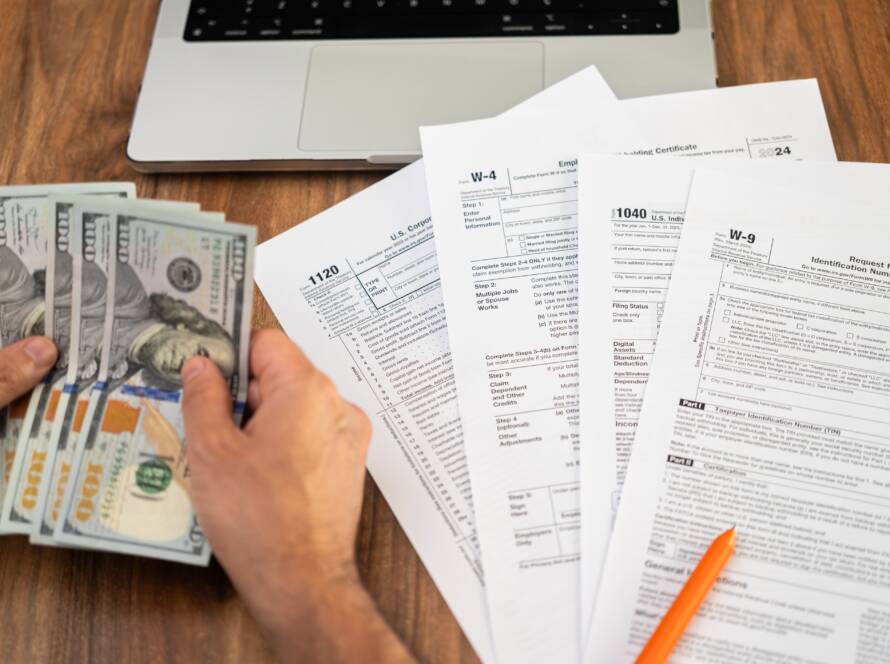
A 1099-C is a tax form lenders use to report canceled debt. In general, if a lender forgives $600 or more, they may be required to send you this form and file a copy with the IRS.
This is why people suddenly discover cancellation of debt income 2026 issues after debt settlement, foreclosure, repossession, or loan modification. The form tells the IRS that a debt was canceled, and the IRS expects that amount to be addressed on your tax return.
Received 1099-C what do I do?
First, do not ignore it.
If you received 1099-C what do I do is the question keeping you up at night, start here: the IRS already has a copy, so this is not something that disappears by tossing it in a drawer.
Your next move is to determine:
- whether the form is accurate,
- what type of debt was canceled,
- and whether you qualify for an exclusion that lets you avoid tax on all or part of it.
This is where many taxpayers get tripped up. They either assume the entire amount is taxable, or they assume none of it is. Both can be wrong.
The Escape Hatches: How to Fight Back
There are legal ways to avoid taxes on forgiven debt in the right situation. This is where tax strategy matters.
The insolvency exception can be one of the most powerful ways to avoid tax on a 1099-C.
If your total liabilities were greater than the fair market value of your total assets immediately before the debt was forgiven, you may have been insolvent. If so, some or all of the canceled debt may be excluded from income.
This is the well-known 1099-C insolvency exception, and it is one of the biggest lifelines for taxpayers dealing with debt settlement.
In plain English, insolvency means you owed more than you owned right before the debt was canceled. If that was your financial reality, the tax law may give you relief.
Debt discharged in bankruptcy is often excluded from taxable income.
If the debt was canceled in a bankruptcy case, that may create a separate exclusion from income.
That is another major escape hatch. But you do not get the benefit automatically just because you think it should apply.
IRS Form 982 is the form used to claim certain exclusions.
If you qualify for insolvency, bankruptcy, or another exclusion, you generally use IRS Form 982 to report that properly on your return.
That is why IRS Form 982 instructions matter so much. This form is how you tell the IRS, “Yes, debt was canceled, but I qualify for an exception under the law.”
Handled correctly, Form 982 can save taxpayers from a painful and unnecessary tax bill. Handled incorrectly, it can turn a solvable issue into a notice problem.
Next Steps Checklist
- Don’t panic.
A 1099-C does not always mean you owe tax. - Gather your financial statements.
Collect balances for your debts, bank accounts, vehicles, retirement accounts, real estate, and other assets so you can test whether you were insolvent. - Hire a professional to navigate Form 982.
The form itself is not long, but the analysis behind it matters. A wrong move can cost you money.
📧 Email: oshamsi@oscpatax.com
📞 Phone: (214) 253-8515
General information only, not tax advice. Always consult a tax professional to evaluate your specific circumstances and state rules.