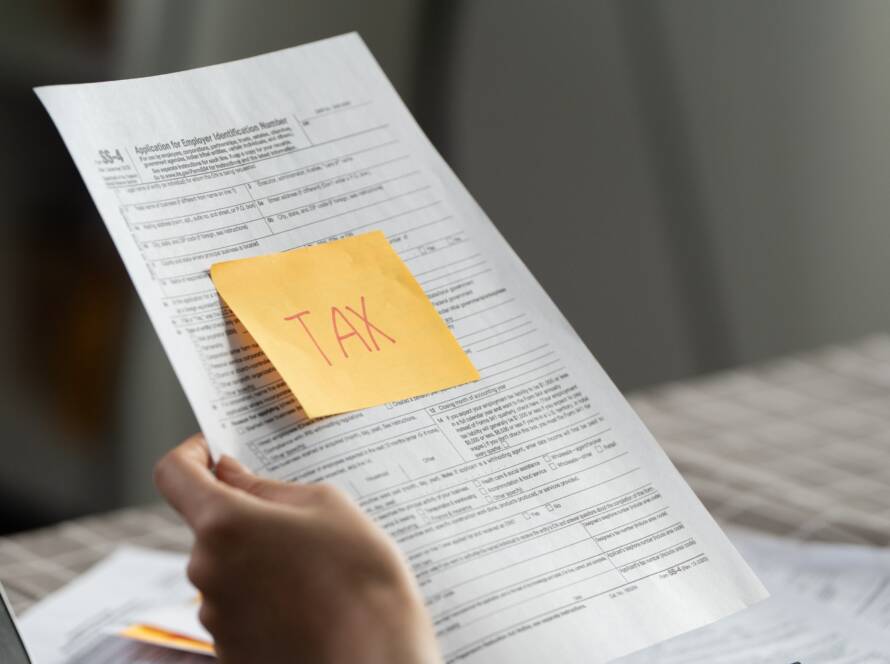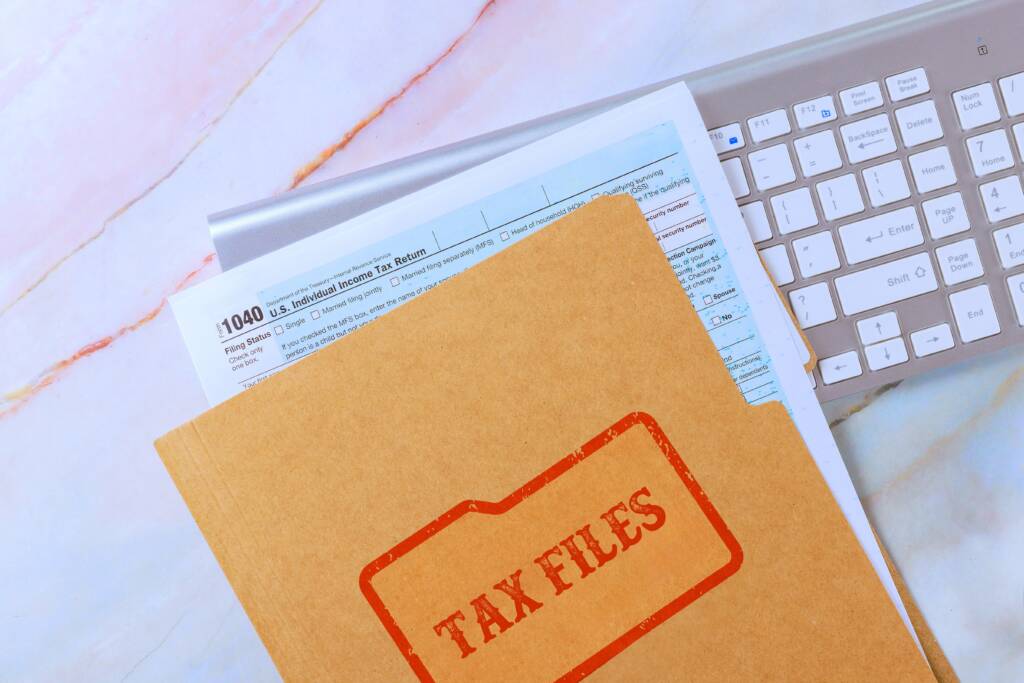
Tax season has a way of sneaking up on people. One day it is “I will deal with it later,” and the next day it is spring, your inbox is full, and you are scrambling to find a missing 1099 or a password to an old payroll portal.
If you feel that dreadful building, you are not alone. The good news is that you can replace anxiety with a plan.
When should I start preparing for tax season? Right now. Not next month. Not when the deadline is close. Proactive tax preparation is the difference between a smooth filing and a stressful one. The earlier you start, the more time you have to find missing documents, correct errors, and make smart choices that reduce your risk of IRS trouble.
Below are three practical tax preparation steps that will help you stay organized, file accurately, and reduce common IRS red flags.
Step 1: Gather and Organize Your Documentation Early
People often ask, “What do I need to prepare for my taxes?” Start with one goal: collect every document that supports your income and deductions, then organize it in a way your CPA can review quickly.
Here is a simple tax filing checklist you can use for tax season preparation 2026.
Income documents
- W-2s from employers
- 1099-NEC, 1099-MISC, 1099-K, 1099-INT, 1099-DIV
- K-1s from partnerships or S Corps
- Social Security statements (SSA-1099)
- Retirement distributions (1099-R)
- Unemployment statements (1099-G)
- Records of gig economy income, tips, side jobs, and cash payments
Deduction and expense documents
- Business expense receipts and invoices
- Mileage log or vehicle expense records
- Home office details (square footage and direct expense support)
- Charitable donation receipts and acknowledgment letters
- Mortgage interest (1098) and property tax records
- Childcare expenses and provider information
- Health insurance forms where applicable
- Estimated tax payment confirmations
Business records for owners
If you are self-employed or run a company, you also need a small business tax prep checklist mindset. Gather:
- Year-end profit and loss statement
- Balance sheet (if available)
- Bank and credit card statements
- Payroll summaries and contractor payments
- Any major asset purchases (equipment, vehicles, computers)
Why this matters: organizing tax documents for CPA review helps prevent missed deductions, overlooked income, and last-minute panic. It also reduces the chance of filing errors that trigger IRS notices.
Simple organization tip: Create one folder with subfolders labeled Income, Deductions, Business, and Prior Year Return. Drop documents in as they arrive instead of letting them pile up.
Step 2: Double-Check Your Deductions and Income Matching
If Step 1 is about gathering, Step 2 is about accuracy. One of the biggest common tax filing mistakes to avoid is reporting income that does not match what the IRS has on file.
The IRS receives copies of many tax documents, especially 1099s and W-2s. If you report less income than what was reported to the IRS, it can trigger automated notices and unwanted attention.
This is especially important for:
- Freelancers with multiple 1099s
- Gig workers and online sellers
- Business owners with payment processor income
- Anyone with investment or retirement activity
How can I avoid an IRS audit?
No one can promise you will never be selected, but you can dramatically reduce the risk. The most reliable ways to avoid IRS audit issues are:
- Make sure all income reported matches your W-2s and 1099s
- Reconcile your business revenue to deposits and payment processor reports
- Keep support for every deduction, especially travel, meals, and vehicle use
- Avoid “guessing” on expenses and rounding everything to neat numbers
- Do not claim deductions that are clearly personal
Here are a few more tax preparation steps that keep you safer:
- If you deduct business expenses, keep proof and business purpose notes.
- If you use mileage, maintain a mileage log.
- If you run a business, make sure contractor payments are tracked properly.
- If you have a side hustle, report that income even if it feels small.
In short, the IRS does not just look for big numbers. It also looks for inconsistencies. Matching income and documenting deductions are two of the best ways to avoid tax trouble.
Step 3: Partner with a Professional Before the Rush
Tax filing should not feel like a last-minute emergency. But when you wait until the deadline is near, you create a perfect storm: missing documents, rushed decisions, and limited appointment availability.
Working with a professional early helps you:
- Identify missing forms before it becomes a scramble
- Ensure your income reporting matches IRS records
- Catch deductions you may not realize you qualify for
- Avoid filing errors that lead to IRS notices
- Create a plan for estimated taxes, cash flow, and future years
If you have any of the following, it is especially smart to connect early:
- Self-employment income or multiple 1099s
- An S Corp or partnership interest
- Rental property or significant investments
- A major life change (marriage, divorce, new baby, home purchase)
- A complicated year with large income shifts
This is what proactive tax preparation looks like. You are not just filing a return. You are building a clean, defensible record and avoiding surprises.
Final Thoughts and CTA
Tax season preparation 2026 does not have to be overwhelming. When you start early, stay organized, and verify your income and deductions, you can file confidently and reduce the chance of IRS issues.
The best part: these steps do not require perfection. They require a system.
Don’t wait until the deadline is looming to get your taxes in order. Contact our team today or log into our Client Portal to schedule your tax preparation appointment. Let us handle the heavy lifting so you can stay focused on what matters most.
📧 Email: oshamsi@oscpatax.com
📞 Phone: (214) 253-8515
General information only, not tax advice. Always consult a tax professional to evaluate your specific circumstances and state rules.